
What is PPC – Pay-Per-Click marketing?
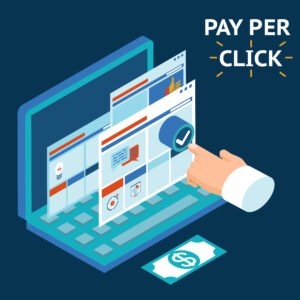
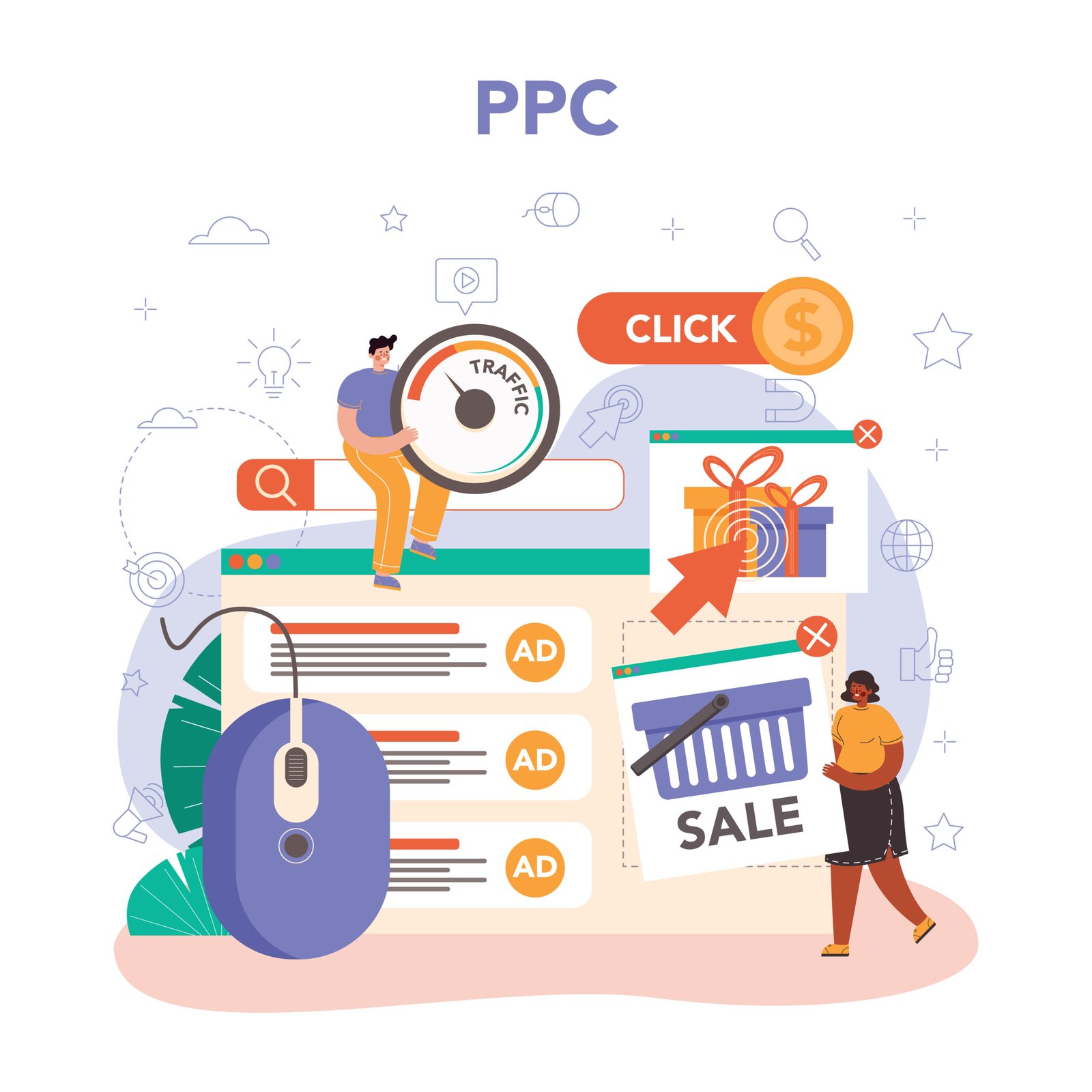
What is PPC (pay per click)?: Pay-per-click (PPC) advertising is an online advertising model where advertisers pay publishers when users click on their ads. Advertisers bid based on the value of clicks, which is determined by keywords, platforms, and target audience. Also known as cost-per-click (CPC), PPC advertising is primarily used on search engines like Google Ads and various social media platforms, such as Facebook, Instagram, and TikTok. Bloggers and affiliates also commonly use PPC to display ads on their websites.
What you’ll learn in this guide:
- The difference between PPC, SEM, and SEO
- How PPC works
- Why PPC is important
- PPC campaign strategy and design
- Introduction to PPC platforms
- Types of PPC ads
- How to learn more about PPC
What is the difference between PPC, SEM, and SEO?
Although these three terms are often used interchangeably, there is a difference between PPC, SEM (search engine marketing), and SEO (search engine optimization). SEM is a general term that encompasses PPC, What is PPC (pay per click)?; but is not limited to this form of advertising. It refers to the activity that seeks to facilitate the discovery of a website through search engines. SEM includes both PPC and SEO (paid and unpaid advertising). PPC is online advertising that works with search engines and other channels, such as videos (YouTube) and images (Instagram/Facebook).
Search engine optimization (SEO) is the method of optimizing the content and structure of a website to increase its visibility in search engines. What is PPC (pay per click)?: This is achieved through research and use of relevant keywords, metadata optimization, the creation of quality content, and obtaining backlinks from other websites. What is PPC (pay per click)?: The goal of SEO is to improve a website’s organic (unpaid) ranking in search engines and generate traffic to it through organic search results.
How does PPC work?
PPC advertising works by allowing advertisers to bid on specific keywords or phrases for which they want their ads to appear in search engine results. When a user searches for one of these keywords or phrases, the advertiser’s ads will appear among the top results. What is PPC (pay per click)?; The advertiser pays a fee each time a user clicks on their ad. Advertisers create campaigns targeting specific demographics, interests, locations, and more. They set a maximum bid for the keywords they want to target.
The search engine uses a complex algorithm to determine which ads to show and in what order. The algorithm considers factors such as:
- The advertiser’s maximum bid
- The ad’s relevance to the keyword
- The ad’s quality
- The PPC strategy and campaign design
- The best PPC platforms
- How to learn about PPC
This form of advertising can also be done through social media platforms, such as Facebook and Instagram.
Why is PPC important?
PPC should be considered an asset, not a marketing expense.
In 2022, pay-per-click (PPC) advertising generated an average of $2 for every $1 invested, with an average cost per click (CPC) of $1.16. While social media remains a popular advertising medium, 40% of ad spend in 2020 went to search (73% of which was spent on Google).
PPC offers several advantages not found in SEO or social media, including:
- Fast results: PPC advertising can generate web traffic almost immediately, whereas SEO can take time to show results. Platforms typically approve ads the same day, providing maximum exposure almost instantly. This could be a text ad on Google Search, an image ad on Instagram, or even a video on YouTube. Using multiple platforms in different formats can increase your brand’s visibility.
- Reach your target audience: PPC advertising allows advertisers to target by demographics, interests, and location, helping them reach the right audience. You can also target people based on their behavior and interests; social media platforms like Facebook can help you direct your ad to the audience most likely to convert. What is PPC (pay per click)?: Measurable: PPC advertising offers measurable results. It allows advertisers to track conversions, return on investment (ROI), and other key performance indicators (KPIs).
- Cost-effective: PPC advertising can be more cost-effective than traditional advertising methods, such as TV or print media, since advertisers only pay when a user clicks on their ad and can set their campaign cost.
Brand awareness: PPC advertising can help increase brand awareness. Even if users don’t click on your ad, they may see it and remember your brand. - Complementary SEO (Search Engine Optimization): PPC can be used to complement SEO strategies. While SEO focuses on increasing organic traffic, PPC can be used to drive traffic directly to a website while implementing SEO strategies.
- Goal tracking: Tools like Google Analytics can help you track your goals. See your ad performance in real time and decide what you need to do to achieve your objectives more effectively. Reputation management: PPC allows you to bid on keywords that match your site’s reputation and direct advertising to the landing page, giving you instant and professional control over your narrative.
In short, PPC advertising offers an efficient and measurable way to reach your target audience, generate leads and sales, and ultimately increase brand awareness.
What is the difference between a PPC strategy and campaign design?
When planning a PPC campaign, there are some key steps you should follow:
- Define your target audience: Identify the demographic characteristics of the people you want to reach with your messages, including age, gender, location, education level, etc.
- Set clear objectives: Determine what you want to achieve with your PPC campaign, such as increasing website traffic, boosting online sales, or generating leads.
- Research keywords: Use keyword research tools to identify the terms and phrases your target audience is searching for and include them in your message copy and website content.
- Create persuasive copy: Write compelling headlines and descriptions for your messages that encourage users to click through to your website.
- Choose the right messaging platforms: Decide which platforms you want to advertise on, What is PPC (pay per click)?: such as Google Ads, Microsoft Advertising, Meta Ads (for Facebook and Instagram), etc.
- Monitor and optimize your campaign: Observe the impact of your messages.
- Make the necessary adjustments to optimize your campaign and achieve your goals.
- Test different message formats and design options: Experiment with various message formats (such as text, image, and video) and discover what works best for your campaign.
- Set a budget: Decide how much you want to invest in your campaign and make sure you stick to it.
What are the main PPC advertising platforms?
Several popular platforms offer PPC advertising solutions. Google, Microsoft Bing, and Facebook are among the most popular. Different types of advertising platforms can display various results in the form of search, display, remarketing, and video ads (on YouTube or Facebook/Instagram Reels). In short, we’ll focus on the two most prominent programs that cover all types of ads: Google and Facebook.
Google Ads
Google holds the top position among search engines. Its global popularity is unmatched. Therefore, paid advertising prices on Google Ads are higher. Advertisers can display their ads, offer their services, review products, or publish videos on Google. What is PPC (pay per click)?: There is also the option to display ads in mobile apps, videos, and non-search websites (search partners). Google Ads is the largest pay-per-click platform. With Google processing over 99,000 searches per second, there’s a high probability your message will be seen by your target audience, which translates into sales and profits. Google Ads is ideal for both Fortune 500 companies and small businesses.
Other helpful Google Ads resources:
- Google Ads Help
- Your Google Ads Guide
YouTube
YouTube ads are a form of online advertising that allows businesses and individuals to promote their products or services on the platform. These ads can take various formats, such as:
- Skipable video ads: These ads can be skipped after a set time, usually five seconds. They can last up to 60 seconds.
- Non-skippable video ads: These ads must be watched in their entirety before the main video can be viewed. They can last up to 15 seconds.
- Bumper ads: These are short, non-skippable ads that last six seconds or less. What is PPC (pay per click)?: Sponsored ads: These are small ads that appear on screen while a video is playing and contain additional information about the product or service being promoted.
- Overlay ads: These are semi-transparent ads that appear at the bottom of the video. Advertisers can target specific audiences based on factors such as demographics, interests, and behavior. YouTube ads can be purchased on a cost-per-view (CPV) or cost-per-click (CPC) basis, and advertisers pay a fee each time the ad is viewed or clicked.
Facebook ads:
Facebook ads allow businesses and organizations to promote their products or services on the platform. What is PPC (pay per click)?; Ads appear in users’ Facebook News Feeds, in the right-hand column of the website (desktop version), and in the Stories section (mobile version).
Types of Facebook ads:
- Image and video ads: These ads consist of a single image or video, along with a brief description and a call-to-action button.
- Carousel ads: These ads allow businesses to display multiple images or videos in a single ad. Users can scroll through the images or videos to learn more about the advertised products or services.
- Image ads: These ads allow businesses to create a video-like experience using multiple still images.
- Instant Experience ads: These ads allow businesses to create immersive, full-screen experiences within the Facebook app. What is PPC (pay per click)?: Collection ads: These ads allow businesses to display multiple products in a single ad, with a link to view them on a full page.
Advertisers can create campaigns targeted to specific demographics, interests, and locations. Facebook’s algorithm uses this information to show ads to users most likely to be interested in the advertised products or services.
Instagram Posts
Instagram posts allow businesses and individuals to promote their products or services on the platform. These posts appear as sponsored posts that seamlessly integrate into users’ news feeds and have a similar appearance to regular posts.
Instagram offers several types of posts, including:
- Photo posts: These posts use a single image to promote a product or service.
- Video posts: These posts use a short video to promote a product or service.
- Carousel posts: These posts allow businesses to display multiple images or videos in a single post, enabling users to swipe through them.
- Stories posts: These posts appear in the Instagram Stories section and disappear after 24 hours.
- IGTV posts: These posts appear before a video starts playing on IGTV.
Posts can target specific audiences based on factors such as demographics, interests, and behavior. Instagram ads can be purchased on a cost-per-thousand-impressions (CPM) or cost-per-click (CPC) basis, with the advertiser receiving a fee each time the ad is viewed or clicked.
Microsoft
Microsoft Advertising, formerly known as Bing Ads, is an advertising platform that allows businesses and individuals to create and publish ads on Microsoft’s search engine, Bing, and on the Microsoft Advertising Network, a collection of websites and apps that partner with Microsoft to display ads. Advertisers can use the platform to create various types of ads, including search ads, product ads, shopping ads, display ads, and video ads. What is PPC (pay per click)?; These ads target specific audiences based on demographics, interests, and behaviors, and can be purchased on a per-click or per-impression basis. What is PPC (pay per click)?: This means the advertiser pays each time the ad is viewed or clicked.
TikTok
TikTok posts allow businesses and individuals to promote their products or services on the app. These posts are designed to be engaging and creative, and often include music or popular TikTok trends and challenges.
TikTok offers several types of posts, including:
- Feed posts: These are full-page posts that appear in the app’s main feed and can be video or image content. Brand Takeover ads: These are full-screen posts that appear when a user opens the app and can be video or image content.
- Hashtag challenge posts: These posts encourage users to participate in a challenge with a branded hashtag and submit their videos using that hashtag.
- Branded effects: These are special effects created by brands that users can apply to their own videos.
Posts can target specific audiences based on factors such as demographics, interests, and behavior. What is PPC (pay per click)?: TikTok posts can be purchased on a cost-per-thousand-impressions (CPM) or cost-per-click (CPC) basis, and you pay each time the post is viewed or clicked. In addition, TikTok offers a self-service platform for small and medium-sized businesses, as well as a managed service for large companies to manage their campaigns.
LinkedIn messages allow companies and individuals to promote their products or services on the platform. What is PPC (pay per click)?: These messages are designed to reach a professional audience and are often used to generate leads, increase brand awareness, and promote job openings.
LinkedIn, owned by Microsoft, offers several types of messages, including:
- Sponsored Content: These messages appear in users’ inboxes and are similar to regular messages. They can be text, images, or videos.
- Sponsored InMail Messages: These messages are sent directly to users’ inboxes.
- Sponsored Posts: These posts promote job openings and appear at the top of the Jobs section of the platform.
- Featured Posts: These are banners that appear on the right side of the platform and can be targeted to specific audiences.
- Dynamic Posts: These posts automatically generate personalized content for each user based on their browsing history. * Posts can be segmented to reach specific audiences based on factors such as demographics, job title, company size, industry, skills, and behavior. LinkedIn posts can be purchased per click (CPC) or per thousand impressions (CPM), and you pay for each click or view.
- LinkedIn also offers a platform Independent form for small and medium-sized enterprises, as well as a managed service for large companies to manage their campaigns.
Twitter messages allow businesses and individuals to promote their products or services on the platform. These messages are designed to reach a large audience and are often used to generate leads, strengthen brand awareness, and increase website traffic.
Twitter offers several types of messages, including:
- Promoted Tweets: These messages, labeled as “promoted,” appear at the top of the user’s timeline or search results. They can be text, images, or videos.
- Promoted Accounts: These messages promote a Twitter account and appear in the “Who to Follow” section of the platform.
- Promoted Trends: These messages promote a specific hashtag and appear at the top of a list of trending topics.
- Website Cards: These messages promote a website or homepage and include an image, title, and description.
- App Install Cards: These messages promote mobile apps and include an image, title, and description.
Advertisers can target specific audiences based on factors such as demographics, interests, and behavior. Twitter messages can be purchased on a cost-per-interaction (CPE) or cost-per-click (CPC) basis. Payment is made each time the message receives interaction (like, retweet, reply, etc.) or clicks. Twitter also offers a self-managed platform for small and medium-sized businesses, as well as a managed service for large companies to manage their campaigns.
What types of PPC messages are there?
Search
Cost-per-click search ads are the most popular type of PPC ad. These ads appear at the top of search engine results pages (SERPs) when a user enters a specific query (keyword or phrase) into a search engine (Google and Microsoft Bing are the most popular). These ads are typically text-based and designed to be highly relevant to the user’s query. Advertisers usually pay each time a user clicks on one of their ads (which is called cost-per-click or CPC). Search ads are a popular way for businesses to promote their products or services and drive traffic to their websites.
Display ads
A display ad is a type of ad that appears on websites, apps, and other digital platforms, usually in the form of a banner or other graphic. Display ads are designed to be visually appealing and can include various media, such as images, videos, and interactive elements. Display ads are often used to increase brand awareness, promote products or services, or drive traffic to a website. What is PPC (pay per click)?: Display ads are typically purchased on a cost-per-impression (CPI) or cost-per-thousand-impressions (CPM) basis, meaning the advertiser pays each time the ad is shown a certain number of times.
Video
A video ad uses video content to promote your product, service, or brand. These ads can appear on various platforms, including social media (scripted or unscripted), streaming services like YouTube, and websites. YouTube video ads can be pre-roll, mid-roll, or post-roll, meaning they can appear before, during, or after the video. What is PPC (pay per click)?: Video ads can be interactive or non-interactive. Video ads are typically interactive and contain clickable elements, such as calls to action, links, or forms. They are generally purchased on a cost-per-view (CPV) or cost-per-click (CPC) basis, where the advertiser pays each time the ad is viewed or clicked.
Remarketing (or retargeting)
Remarketing is a form of advertising that allows businesses to show ads to users who have already interacted with their website or mobile app. What is PPC (pay per click)?; Remarketing ads are typically shown to users while they browse other websites or use mobile apps and are designed to remind them of the business and encourage them to return to the website or app. Remarketing ads can be presented in various formats, such as display ads, search ads, video ads, and social media ads. They are generally purchased on a cost-per-click (CPC) or cost-per-thousand-impressions (CPM) basis.
Remarketing campaigns are highly targeted and effective at driving conversions and sales. They work by tracking user behavior on a website or mobile app and then using that data to show them personalized ads as they browse other websites or use other apps. What is PPC (pay per click)?; This is achieved by placing a cookie or pixel on the user’s browser or device, which is then used to identify you and show you relevant ads.
Other Types of News
Other types of news fall under one of the categories above, but they have different characteristics, such as the type of business that can use them and the setup requirements. These include:
- Remarketing for Search Ads (RLSA)
- Maximum Efficiency
- Local Search Ads (LSA)
How Can I Learn About PPC?
Now that you have a better understanding of PPC and how it works, how can you learn more?
Search Engine Land PPC Resources
Search Engine Land has been covering PPC since 2006. In addition to articles written by our editors, Search Engine Land publishes articles from various experts in the field, containing helpful tips, tricks, trends, and analysis about PPC. We recommend subscribing to Search Engine Land’s free newsletter, which includes a daily summary of the latest PPC news and analysis.
You May Also Like..